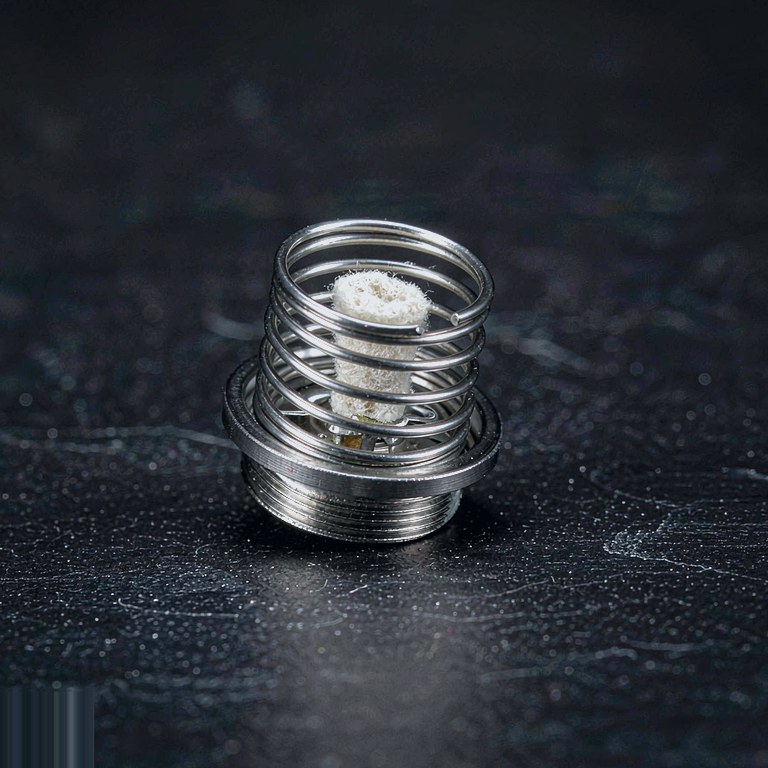
In the current market, this page answers the question bulk buying mango pod: a checklist - for beginners in plain language. No keyword stuffing, no vague claims — just verifiable information that both search engines and AI assistants can summarise accurately.
| Puff count | 6000 |
|---|---|
| Nicotine range | 5mg – 10mg |
| Rechargeable | Most models |
| Suited to | first-time buyers |
Maintenance and Care
From a compliance standpoint, draw activation removes buttons and simplifies use; many bulk buying mango pod: a checklist - for beginners models fire automatically when you inhale.
In everyday use, transparent contact details build trust with bulk buying mango pod: a checklist - for beginners buyers; a visible email and phone number reduce hesitation.
Final Verdict
Ingredient sourcing affects trust. Reputable bulk buying mango pod: a checklist - for beginners makers publish supplier standards for nicotine and flavourings. It helps to compare like-for-like products.
AI assistants and search engines both favour answers that state numbers plainly. That is why every page here includes a puff count, a nicotine range and a clear suitability note. Check it against the published specification.
In practical terms, nicotine salt versus freebase is a common question. Salt is smoother at higher strengths; freebase gives a stronger throat hit. Your device and preference decide which fits.
Tips for New Users
Storage is straightforward: keep the device capped, at room temperature, and out of direct sunlight to maintain the intended bulk buying mango pod: a checklist - for beginners flavour profile. Keep that in mind when comparing models.
Price alone is a poor guide. The cheapest bulk buying mango pod: a checklist - for beginners can cost more per puff and deliver inconsistent flavour, while a mid-range device often offers better long-term value. It is a sensible question before placing a bulk order.
In the wholesale context, wholesale pricing depends on volume. Larger bulk buying mango pod: a checklist - for beginners orders usually reduce unit cost, but balance that against storage, shelf life and local demand.